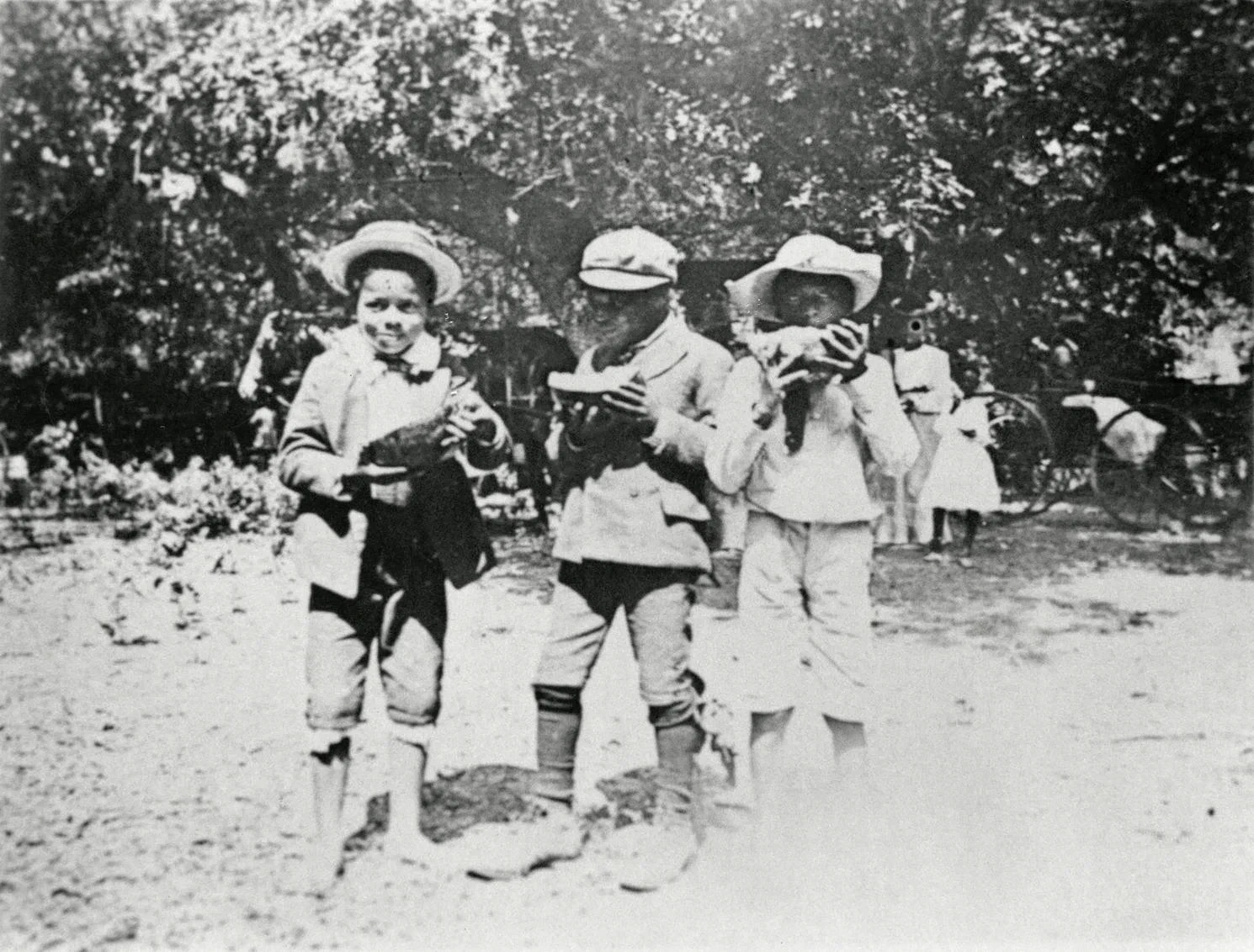
Group of children on Juneteenth. Photograph by Grace Murray Stephenson of celebrations in Eastwoods Park, Austin, 1900.
The History of Juneteenth
161 years ago today in Galveston, Texas, enslaved people were notified of their freedom. Although slavery was no longer legal in Confederate states since the Emancipation Proclamation in 1863, around 250,000 people were still enslaved in the furthest parts of the South. This was until Union soldiers rode into Galveston Bay, reading from small copies of the Emancipation Proclamation, declaring their freedom.
Today, Black Americans around the country are celebrating this joyous day of emancipation with their communities, honoring and venerating the ancestors that fought for us to be where we are today, and the legacy they left.
The Beginning: The Transatlantic Slave Trade
In the 16th century, the Transatlantic Slave Trade began, sparking one of the biggest, longest-lasting tragedies in human history. Between the mid-16th and 19th centuries, approximately 12 million West Africans were kidnapped and forced onto ships that carried them to various parts of the Americas, where they were enslaved for labor. Those who survived the treacherous journey across the Atlantic were shackled and forced to work the land for cash crops such as tobacco, coffee, cotton, indigo, cocoa, sugar, and rice. For nearly 400 years, the enslaved suffered unspeakable violence at the hands of slave owners, yet still, so many attempted (and succeeded) to escape and fight back.
Forbidden Knowledge
Although European slavers tended to have suspicions about enslaved herbal remedies, they often utilized them when their own children or loved ones were sick. If the outcome was unfavorable, the enslaved healer was often blamed. Alongside this, a fear of poisoning that’d grown from Europe in the 1400s spread had through the Americas and as a result, enslaved people were restricted in their knowledge, use, and administration of herbal medicines.
Fearing that knowledge would lead to uprisal, slave owners often forbade the enslaved from learning how to read or write. Despite this, Black slaves found ways to gain knowledge, whether it was from the indigenous people around them, or nature herself. Native Americans shared herbal remedies with them, as they often provided asylum and social escape, and were sometimes enslaved alongside African-Americans. Black slaves used creative methods to record information in secret, with enslaved healers often using a poppet or doll to document illness and treatment for each of their patients. Many of these practices were witnessed by White slave owners and overseers, who often resorted to accusations of hoodoo or witchcraft.
In the 18th and 19th centuries, a series of laws were set into place, specifically in Virginia and South Carolina, that prohibited Black people from learning about herbs, teaching about herbs, and working in apothecaries. They also were not allowed to administer herbal remedies without oversight from a slave owner or White physician, under punishment of death. These restrictions were implemented to prevent Black people from having the knowledge or skill to escape the horrors of slavery, by any means that slave owners deemed necessary.
Slave Medicine: How Our Ancestors Survived
Knowledge of plant medicine was important for West Africans both before and after the Transatlantic Slave Trade. When people were captured and forced onto ships, they had seeds of various plants woven into their braids and clothes, bringing plants like wild licorice, okra, black eyed peas, and yams to the Americas. Over time, enslaved people came to heavily rely on these nourishing foods, especially when food was scarce or not safe to eat. A large majority of these wonderful plants are still important cultural foods enjoyed by Black Americans today.
In the Americas, African slaves were forced to adapt to a completely foreign land. Their knowledge of plants in West Africa aided them in finding similar herbs and foods with actions that they recognized, and could use for healing and sustenance. Herbs like sassafras, sarsaparilla, black cherry, and horehound were especially important, as they grew in abundance in North America and held extremely valuable medicinal properties. Harriet Tubman, the leader of the Underground Railroad and an incredibly talented herbalist, often foraged for these plants, providing sustenance and medicine for those who joined her in the escape to freedom. She foraged for herbs like maypop, paw-paw, poppy, wormwood, and black cherry to utilize on the arduous journey through the Underground Railroad.
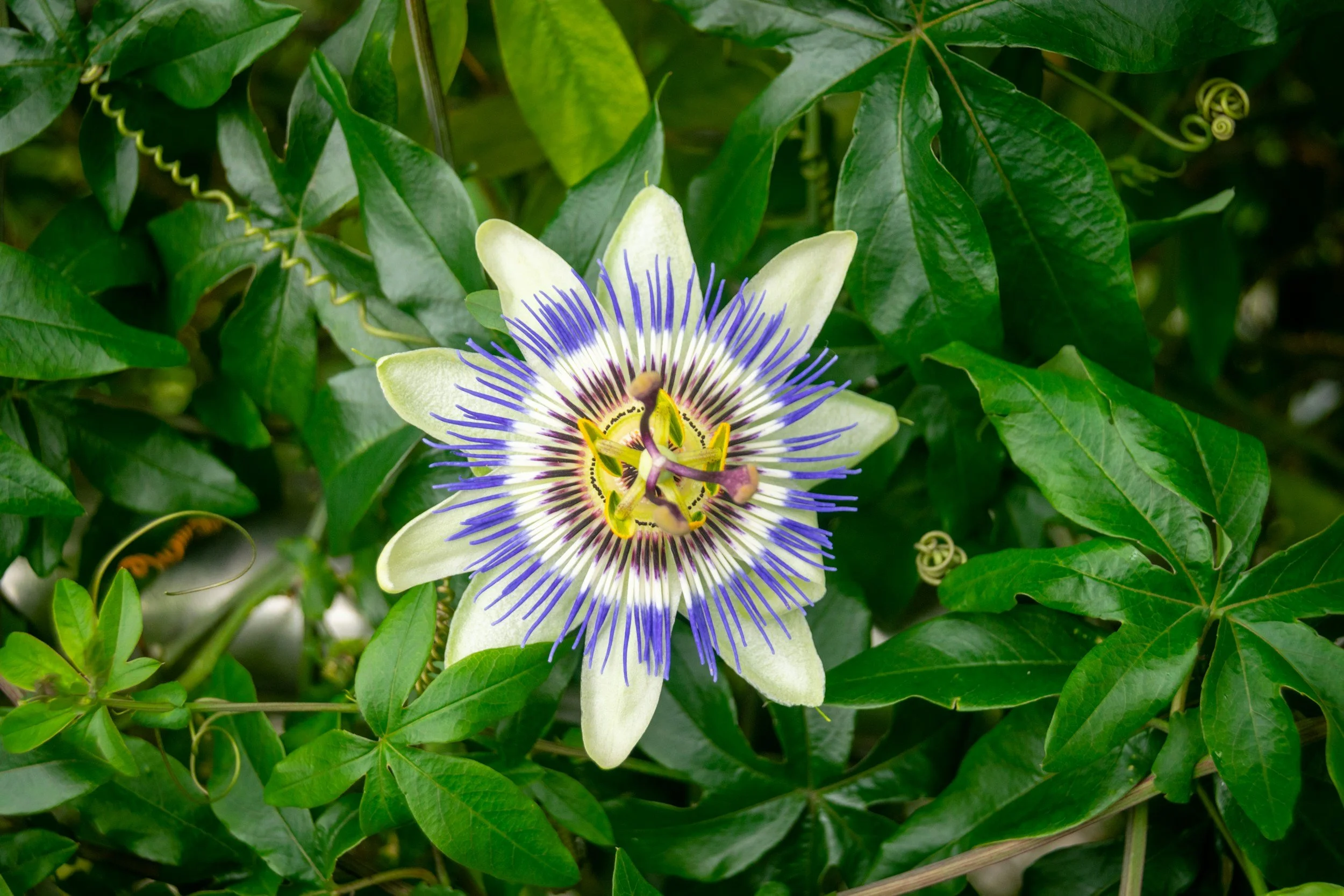
The maypop (Passiflora incarnata) flower, also called passionflower
Women that were enslaved also relied on the other women around them that knew the proper herbs to use to prevent pregnancy, aid childbirth, or alleviate painful menstrual symptoms. Plants like wild lettuce and the root of the cotton were staples for midwives and healers, and were utilized in absolute secrecy to avoid punishment. To this day, many of these remedies are still only given by word of mouth, or across kitchen tables between family members.
The Legacy
Today, Black Americans have more freedoms than our ancestors could’ve dreamed of. Our ability to empower ourselves with knowledge and arm ourselves with herbal medicine is a gift that they gave us despite their immense suffering and struggle. Their resilience, cunning, and strength created the foundation for us to be able to become doctors, healers, herbalists, and teachers. So many Black voices have been erased from history, especially medical and herbal history, and it is important that we continue to honor them by remembering their stories, songs, recipes, and remedies.
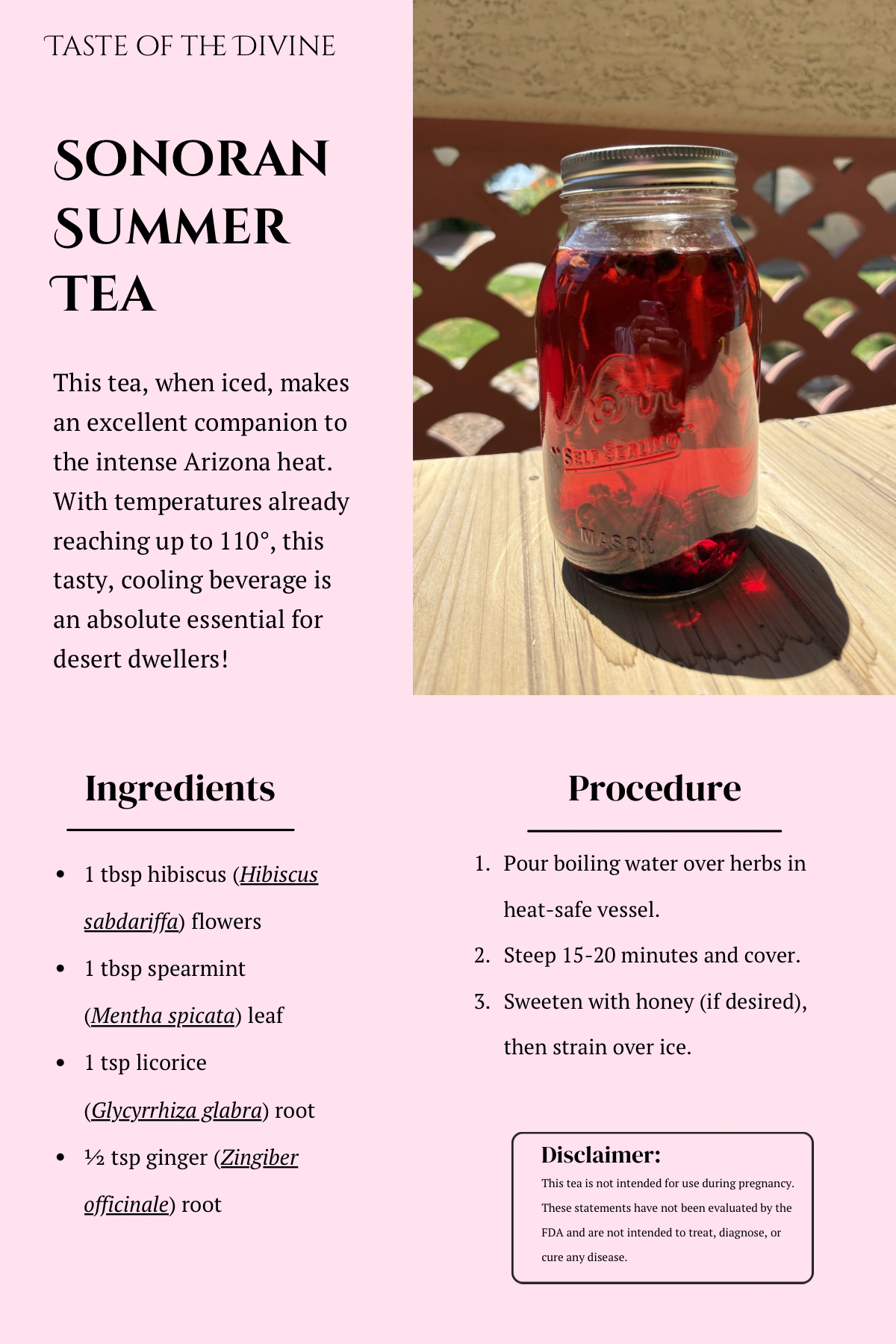
What’s one way you’re celebrating this holiday of freedom? I’ll be making homemade chocolate, relaxing and having a slow day at home :) I’ll also be making my recipe for Sonoran Summer tea, which you can find posted below.
Sources:
Duke University. “LibGuides: Black History Month: A Medical Perspective: Education.” Duke.edu, 2019, guides.mclibrary.duke.edu/blackhistorymonth/education.
Herbal Academy. “Harriet Tubman’s Less-Known Herbalist Legacy.” Herbal Academy, 10 Mar. 2026, theherbalacademy.com/blog/harriet-tubmans-herbalist-legacy/?srsltid=AfmBOooNp1NT1lCOWJZfihDoY08WPhcIbouqTsj8uhSHM7nEe1OEQKGv. Accessed 19 June 2026.
Morgan, Alyson. “Roots of African American Herbalism: Herbal Use by Enslaved Africans.” Herbal Academy, 18 Aug. 2020, theherbalacademy.com/blog/african-american-herbalism-history/?srsltid=AfmBOorDCKSNlyZoe8QcZCsFNKxA70PT7eVW5e4SHIQ9YkZIn6Utw0ui. Accessed 8 June 2026.
National Museum of African American History and Culture. “The Historical Legacy of Juneteenth | National Museum of African American History and Culture.” Nmaahc.si.edu, Smithsonian, nmaahc.si.edu/explore/stories/historical-legacy-juneteenth. Accessed 19 June 2026.
Preciado, KhadiYah. “The Teas We Grew up With: A Practical History of Black Herbalism through Kitchen Remedies.” Mountainroseherbs.com, 28 Jan. 2026, blog.mountainroseherbs.com/the-teas-we-grew-up-with-a-practical-history-of-black-herbalism-through-kitchen-remedies. Accessed 19 June 2026.
Warren, Phoebe. “Celebrating Black History Month: Medicinal Practices of Enslaved Peoples.” Collegeofphysicians.org, 2022, collegeofphysicians.org/programs/education-blog/celebrating-black-history-month-medicinal-practices-enslaved-peoples/.